■ Analysis · August 24, 2026
Sysco's $29.1B Jetro Deal: Risks to Dividend Growth and Leverage
Sysco's acquisition of Jetro Restaurant Depot for $29.1B raises leverage and dilutes shares, while dividend growth slows. The stock appears undervalued but carries significant risks.
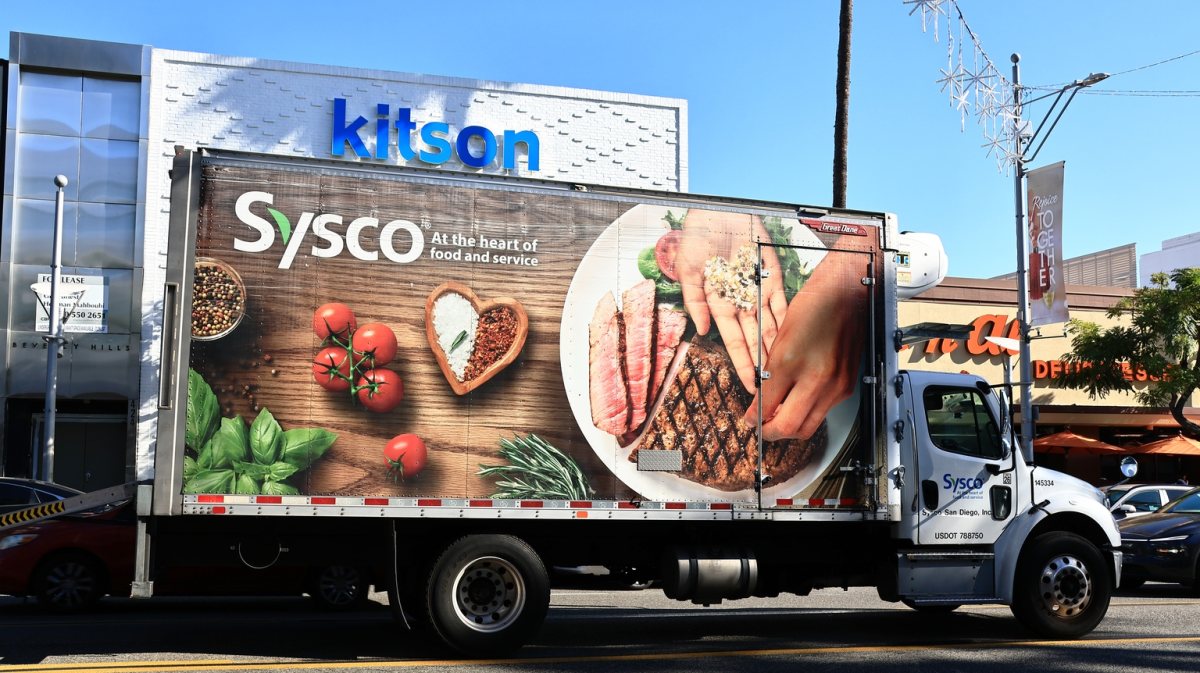
Acquisition Overview and Financial Impact
Sysco (SYY) has announced a $29.1 billion cash-and-stock deal to acquire Jetro Restaurant Depot, a move aimed at expanding into the cash-and-carry distribution segment. The company expects the acquisition to drive higher growth, improve margins, and increase scale. However, the transaction introduces substantial financial and operational risks.
The deal is highly dilutive to existing shareholders. Sysco will issue a significant number of new shares as part of the consideration, which increases the share count and reduces earnings per share. Additionally, the acquisition will raise Sysco's leverage ratio to approximately 4.5–5.0 times EBITDA, a notable increase from its previous levels. This higher debt load could constrain financial flexibility and increase vulnerability to economic downturns.
Dividend Growth Deceleration
Sysco has a long track record of paying dividends, but the growth rate has been slowing. The company's dividend history shows a pattern of increases, but the pace has moderated in recent years. The rising share count and higher leverage are likely to further limit future dividend increases, as cash flow will be directed toward debt repayment and integration costs. Despite these concerns, the current dividend remains adequately covered by earnings and cash flow, providing some near-term safety for income-focused investors.
Valuation and Market Position
Sysco's stock is trading at a discount to its historical valuation multiples, which may attract value-oriented investors. However, the acquisition risks and slowing dividend growth could offset this apparent undervaluation. The company faces integration challenges with Jetro, and the success of the expansion into the cash-and-carry segment is uncertain. Additionally, the competitive landscape in foodservice distribution remains intense, with other players vying for market share.
What it means for income investors
For income investors, Sysco's dividend yield may appear attractive, but the deceleration in dividend growth and increased leverage warrant caution. The company's ability to maintain and grow its dividend will depend on successful integration of Jetro and debt reduction. While the current payout is sustainable, future increases may be modest compared to historical trends.
Reporting based on: Seeking Alpha. Figures verified against market data where available.